Top Smart Garage Door Accessories in Parker for Connected Living
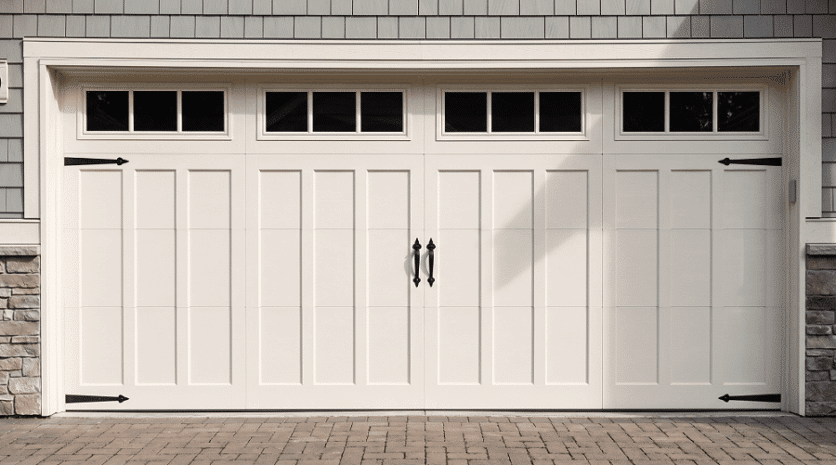
A garage door used to be a simple piece of hardware. It opened, it closed, and if it made a little noise along the way, most homeowners ignored it until something broke. That has changed. In Parker, where households balance busy schedules, changing weather, and Garage Door Accessories Parker a strong preference for practical home upgrades, the garage has become one of the smartest entry points in the house.
That shift makes sense. For many families, the garage is the real front door. Kids come in from school through the mudroom. Deliveries land just inside the garage instead of on the porch. Weekend gear, bikes, tools, and storage bins all move through that opening. When people talk about connected living, they usually jump to thermostats, cameras, or lighting. But the garage deserves equal attention because it affects access, security, convenience, and even peace of mind more than most rooms do.
The market for Garage Door Accessories Parker homeowners actually use has matured quite a bit. The best products are no longer gimmicks. They solve very specific problems, such as checking whether the door was left open during a windstorm, letting a dog walker in for twenty minutes, or getting a warning before a spring issue turns into a door that will not move at all. The trick is sorting the genuinely useful accessories from the ones that sound impressive in a showroom but add very little once you live with them.
What connected living means in a garage
Smart garage accessories are not all doing the same job. Some focus on control, some on awareness, and some on safety. The strongest setups usually combine all three. A homeowner might start with a phone-based controller because they want to open the door remotely. A few months later, they realize activity alerts are what they rely on most. Then they add a keypad or an interior camera because routines change.
In Parker, local conditions shape these choices. Cold snaps can stress aging hardware. Summer hail and high winds can make homeowners think harder about whether the garage is sealed, secure, and monitored. Newer subdivisions often have attached garages with direct interior access, which raises the security stakes. Older homes may have perfectly good doors but dated openers, making accessory upgrades a smart middle ground instead of a full replacement.
The best approach is not to buy everything at once. It is to match accessories to the way the household actually moves. A retired couple with one vehicle and a predictable routine needs a different setup than a family with teenagers, package deliveries, and side business inventory stored in the garage.
Smart garage door controllers, the accessory most people notice first
If there is one product category that consistently changes daily life, it is the smart garage door controller. This device links a compatible garage door opener to a mobile app, letting you check door status and operate it remotely. Some systems are built into newer openers. Others are add-on modules that work with existing motors.
What makes these useful is not just remote opening. It is the confidence of knowing the current state of the door. I have seen plenty of homeowners who used to circle back from the grocery store or from work because they could not remember whether they shut the garage. With a good controller, that uncertainty disappears. The app tells you whether the door is open, closed, opening, or stopped. Better systems also keep an event history, so you can see when someone came in or when the door was operated.
Compatibility matters here more than marketing. An older opener may accept a smart controller, but the installation can be cleaner and more reliable on some brands than others. Wi-Fi strength in the garage also matters. A controller is only as useful as its connection. In attached garages near the front of a house, the signal is often fine. In detached garages or deep three-car layouts with thick insulation and interference from appliances, a weak network creates lag and frustration. In those cases, a mesh Wi-Fi node in or near the garage often solves the real problem better than replacing the controller itself.
There is also a safety angle. Reputable controllers include audible and visual warnings before remote closing, especially if the user is not within line of sight. That detail is easy to overlook until you have pets, kids, or frequent foot traffic moving through the garage.
Wireless keypads still earn their place
Some homeowners assume a smart app makes an exterior keypad unnecessary. In practice, a keypad remains one of the most useful garage door accessories you can install. It is fast, durable, and independent of whether someone remembered their phone or has battery life left.
For Parker households with active lifestyles, a keypad solves real-world problems elegantly. A child can get inside after school without carrying a house key. A neighbor can water plants while you are away. A runner can head out without taking a phone. A contractor can access the garage for a narrow time window, then lose that access as soon as the code changes.
The difference between a mediocre keypad and a good one usually comes down to weather resistance, backlighting, and code management. In Colorado conditions, buttons and battery compartments take a beating. Cold mornings expose weak plastic and poor sealing quickly. Keypads with motion-activated backlighting also make a noticeable difference in winter when daylight drops early.
Temporary PIN features are especially useful. Instead of giving out a permanent code that lingers for years, homeowners can set one for a specific person and remove it later. That small feature can tighten household security without adding friction.
Battery backup, the quiet upgrade you appreciate during an outage
Battery backup for a garage door opener does not get much attention until the power goes out. Then it becomes one of the most valuable accessories in the system. If your garage is the primary entry and the outage happens during snow, wind, or late at night, battery backup stops a minor inconvenience from turning into a real disruption.
Not every opener supports retrofit battery modules, so this upgrade requires a compatibility check. Newer systems often integrate the battery neatly into the motor housing. On older units, adding backup may not be possible or may not be worth the cost if the opener is near the end of its service life.
The value is especially clear for attached garages with no convenient side door or for households where the garage shelters the main vehicle. During severe weather, being able to open and close the door several times without utility power is more than a convenience. It keeps the home functioning normally.
There is another benefit that homeowners do not always consider. Battery-backed systems tend to signal low-battery conditions before an outage occurs, which nudges people into maintenance habits they might otherwise skip.
Smart sensors and alerts, where convenience meets prevention
Door position sensors, tilt sensors, and obstruction sensors often sound technical, but their role is simple. They tell you what the door is doing and whether it is doing it safely. Good sensors provide reliable state reporting. Better ones feed that data into automations and alerts.
An alert if the garage door remains open for fifteen minutes is a practical example. That notification catches the common mistake of unloading groceries, getting distracted, and leaving the door open into the evening. Another valuable alert is repeated failed closing attempts, which can indicate an obstruction, a sensor alignment issue, or a hardware problem.
In a few homes I have seen, these notifications uncovered patterns the owner did not realize were happening. One family learned the door was being left open during school drop-off rushes several times a week. Another discovered that cold weather was affecting the opener travel enough to trigger inconsistent closure. In both cases, a simple alert prevented the issue from becoming habit or damage.
This is where smart accessories start to overlap with preventive maintenance. They do not replace a professional inspection, but they can reveal symptoms earlier.
Integrated cameras for garage awareness
Garage cameras can be overdone, but when used thoughtfully, they are useful. A camera aimed at the interior of the garage helps verify whether the door is closed, whether a package was placed inside as expected, or whether someone accessed stored equipment. Some newer garage systems include a camera in the opener housing itself, creating a wide view without adding another wall-mounted device.
Privacy deserves careful handling here. A camera in the garage may capture people coming and going, vehicle interiors, and the door into the home. Households should be clear about who has access to the feed and how recordings are stored. That is especially important if multiple adults, older children, or service providers use the garage regularly.
The practical value is strongest in a few situations. First, for package delivery setups where drivers place items inside the garage. Second, for homeowners who use the garage as a workshop or storage area for higher-value equipment. Third, for households that travel frequently and want visual confirmation rather than relying only on a status icon in an app.
A camera should not be treated as a substitute for solid mechanical security. It is a verification tool, not the first line of defense.
Smart lighting makes the garage safer and more usable
Garage lighting is rarely discussed with the same enthusiasm as cameras or apps, yet it often has a bigger day-to-day impact. Motion-activated and app-connected lighting improves visibility, reduces fumbling, and makes the garage feel more secure when someone arrives after dark.
In Parker, where winter evenings come early and many people leave for work before sunrise, a dark garage quickly becomes a nuisance. Integrated opener lights that activate when the door opens are helpful, but dedicated smart fixtures or retrofit bulbs can do more. They can stay on for a set period, trigger when motion is detected, or link to schedules and scenes.
For example, if a homeowner comes home with a car full of sports gear and groceries, bright task lighting near storage shelves matters more than a sophisticated automation routine. If the garage doubles as a workspace, tunable lighting and occupancy detection become more valuable. The point is not to make the garage flashy. It is to make it functional.
One caution is temperature performance. Not every smart bulb likes an unconditioned garage in winter. In detached or poorly insulated spaces, smart switches paired with fixtures rated for broader temperature swings often outperform decorative smart bulbs.
Vehicle integration and geofencing, helpful when it works well
Some of the newer convenience features come through vehicle integration or phone geofencing. The idea is appealing. As you approach home, the system recognizes your location and can trigger reminders or actions. In the best case, this means the garage opens as you arrive or sends a prompt if you appear to have left while the door remains open.
These features are useful, but they require a realistic expectation. Geofencing depends on phone settings, app permissions, location accuracy, and household habits. If two family members share vehicles, or if one person often walks the dog near the geofence boundary, automations can become inconsistent. That is why I usually see better results when geofencing is used for notifications first and automatic actions second.
A reminder that says, “You left home and the garage is still open,” is broadly helpful. An automatic close routine can also be useful, but only after careful testing and only if safety measures are robust. Convenience should never outrun good judgment around moving doors.
Access control for deliveries, guests, and service providers
One of the strongest arguments for upgrading Garage Door Accessories Parker homeowners use every week is controlled access. The garage is now part of the logistics of daily life. Packages, cleaning services, dog walkers, and repair appointments all pass through it.
The accessory ecosystem supports that shift in a few different ways:
- temporary keypad codes for limited-use entry
- app-based remote opening with activity logs
- cameras for visual verification of arrival and departure
- smart notifications when the door opens or remains open
- interior smart locks or doors that separate the garage from the home
These tools work best when combined thoughtfully. For example, a homeowner who receives frequent deliveries might allow in-garage drop-off, keep an interior access door locked, and review a garage camera notification when the package arrives. That setup gives convenience without giving away full access to the home.
This is where connected living becomes practical rather than decorative. People are not buying technology for its own sake. They are reducing porch theft risk, avoiding missed deliveries, and controlling who enters and when.
Noise and vibration accessories for attached garages
Smart features get the spotlight, but quieter operation can be just as valuable in everyday life. For homes with bedrooms above or next to the garage, vibration isolation kits, upgraded rollers, and belt-drive-compatible accessories make a real difference.
This matters in Parker’s newer homes, where open layouts and upstairs bedrooms often place living spaces close to the garage ceiling. A loud opener can wake children, interrupt late arrivals, or simply make the house feel more mechanical than it needs to. Soft-start motors help if you are replacing the opener, but even accessory-level upgrades like nylon rollers, rail isolation hardware, or enhanced mounting brackets can reduce noise substantially.
Noise reduction is not a glamorous purchase, yet many homeowners end up appreciating it more than a novelty feature they use twice a month. There is also a mechanical upside. Excess vibration can reveal or worsen alignment problems over time, so a quieter system is sometimes a healthier one too.
The overlooked upgrade, backup entry and safety hardware
Smart gear is useful, but basic safety hardware still matters. Photo eyes must stay clean and aligned. Manual release components need to work properly. Exterior emergency release kits may be appropriate in certain garage configurations, especially when there is no secondary entry.
This is one area where homeowners sometimes get carried away with digital add-ons while neglecting the fundamentals. If the door is unbalanced, the tracks are worn, or the opener struggles under load, no app will compensate for that. Accessories should enhance a sound system, not patch a failing one.
A good technician can often tell, within minutes, whether a homeowner should invest in accessories now or put money into mechanical service first. That honesty is worth a lot. It prevents the common mistake of bolting new electronics onto hardware that is already telling you it is near the end of its useful life.
Choosing accessories that fit your household, not just your opener
The right setup depends as much on routine as it does on equipment compatibility. A practical way to evaluate options is to think in terms of pain points rather than product categories. Ask what goes wrong now, or what creates friction now.
Garage Door Accessories ParkerIf the household often forgets whether the door is closed, start with a reliable smart controller and status alerts. If children or guests need consistent access, add a quality keypad. If outages cause stress, prioritize battery backup. If the garage stores tools, bikes, or deliveries, consider a camera and lighting. The right order is rarely the same from one home to another.
A short pre-purchase check helps avoid disappointment:
- confirm opener compatibility before buying any controller or battery accessory
- test Wi-Fi signal strength inside the garage, not just inside the house
- decide who needs access and whether they need permanent or temporary credentials
- think through privacy if cameras or shared app access are involved
- address any existing mechanical issues before layering on smart features
That kind of planning saves money because it keeps you from buying overlapping products. It also avoids the common pattern where a homeowner installs three different apps for three different garage functions, then stops using half of them because the experience is clumsy.
Installation realities in Parker homes
Not every accessory is difficult to install, but the garage is one of those spaces where “simple” can become messy quickly. Ceiling height, outlet placement, opener age, insulation, and wall construction all influence how cleanly a job comes together.
In some Parker homes, garages are deep enough that a standard opener light leaves dark corners untouched. In others, the issue is not lighting at all but a thick fire-rated wall between the garage and the main living area that weakens wireless signals. Detached garages create a different set of challenges, especially if the homeowner assumes their home Wi-Fi reaches farther than it actually does.
A professional installation is often worth it for integrated systems, battery backup modules, camera openers, or any accessory that depends on safe alignment with existing door safety mechanisms. Even when homeowners are comfortable with DIY work, a garage door system is not the place for guesswork around moving parts, force settings, or sensor behavior.
What usually delivers the best value
After seeing how people use these systems over time, a pattern tends to emerge. The accessories that deliver the highest satisfaction are the ones that remove recurring uncertainty. Is the door open or closed? Can someone get in safely without a key? Will the garage work during an outage? Did that delivery actually happen? The products that answer those questions clearly tend to earn their keep.
The flashy extras are fine if the basics are already in place. But for most homeowners, the strongest upgrade path is simple: dependable remote control, solid alerts, convenient access, good lighting, and a plan for power loss. Add camera visibility or advanced automations if your routine supports them.
That is the real promise of connected living in the garage. Not novelty, not complication, and certainly not a dashboard full of features you never touch. The best Garage Door Accessories Parker residents choose make the home easier to live in on an ordinary Tuesday, during a stormy evening, and on the days when nobody wants to think about the garage at all. When an upgrade reaches that level of usefulness, it stops feeling like technology and starts feeling like part of the house.
Select Garage Doors
11479 Pine Dr
Parker, CO 80134, United States
Phone: (303) 228-0018
FAQ About Garage Door Accessories Parker
Where can I find garage door accessories?
Garage door accessories are available from garage door service companies, authorized dealers, home improvement stores, and specialist suppliers. Select Garage Doors supplies and installs accessories for homeowners in Parker, including compatible remotes, wireless keypads, weather seals, and smart controls. Check your opener model and door specifications before choosing a replacement or upgrade.
How to make a garage door more attractive?
Cleaning the door, refreshing a manufacturer-approved finish, and choosing coordinated decorative handles or hinge accents can improve its appearance. Compatible window inserts may also change the look of an existing window section. Match accessories to the door material and style, and make sure added hardware does not interfere with movement, seals, or safety equipment.
Where can I buy garage door inserts?
Decorative window inserts can be sourced through the door manufacturer, an authorized garage door dealer, or a supplier that carries parts for your specific door series. Match the model, window frame dimensions, and attachment system; inserts are not universally interchangeable. Ask a professional to confirm compatibility before ordering, especially if the work involves glass or changes to a door section.